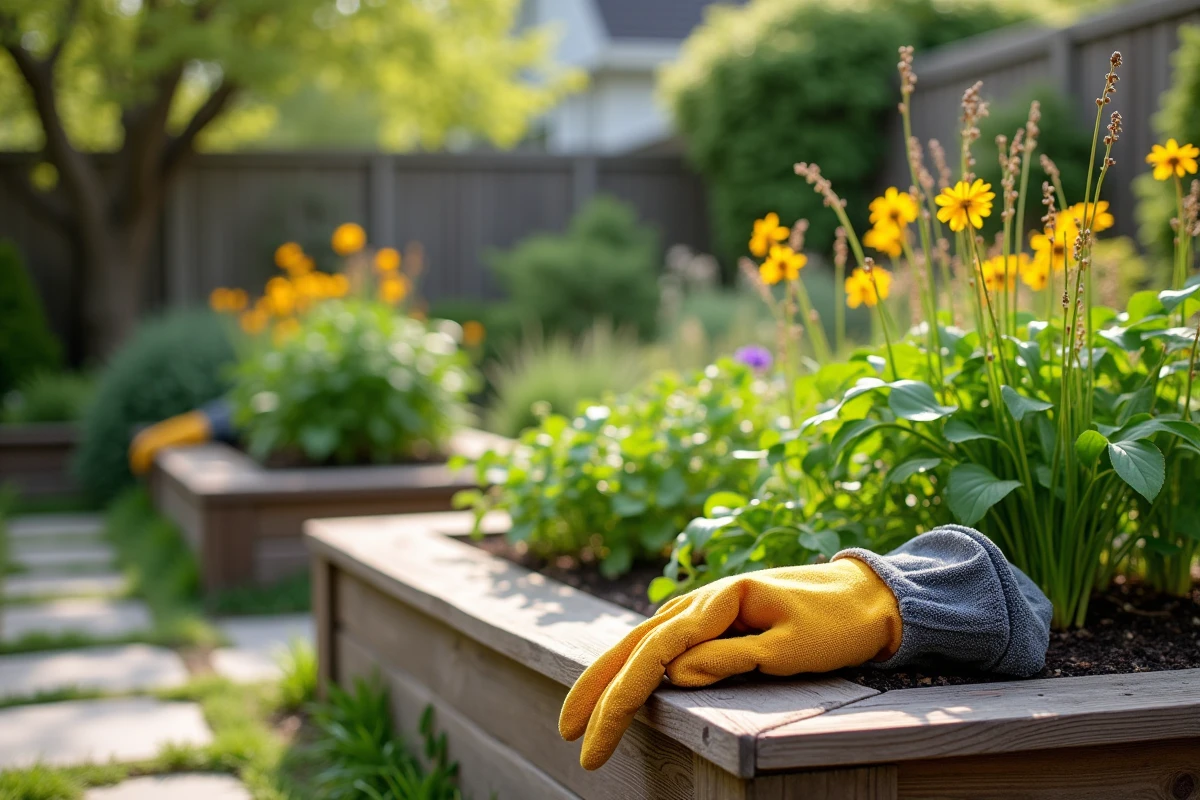
A garden that remains structured and productive twelve months a year relies on precise technical choices: substrate, water management, crop rotation. Here are ten concrete levers to transform and maintain your garden all year round, prioritizing practices suited to current climatic constraints.
1. Install a rain garden to manage rainy episodes
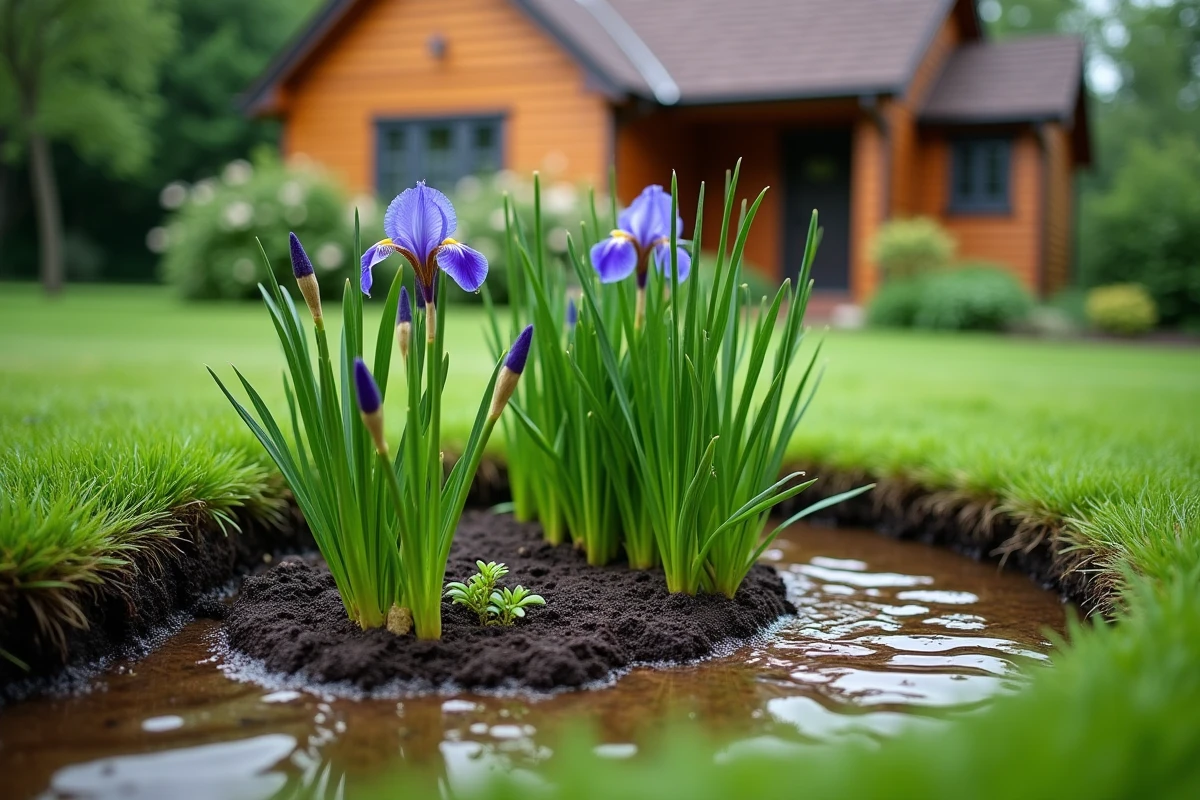
The increase in intense rainfall since 2023-2024 has led many communities to recommend rain gardens in private plots. The principle: dig a shallow depression, fill it with draining substrate (gravel, coarse sand, compost), and plant water-tolerant species (marsh irises, sedges, loosestrife).
This system filters runoff water before it reaches the drainage system or aquifer. It also reduces soil saturation downstream, protecting neighboring beds from root flooding.
2. Replace traditional grass with drought-resistant ground covers
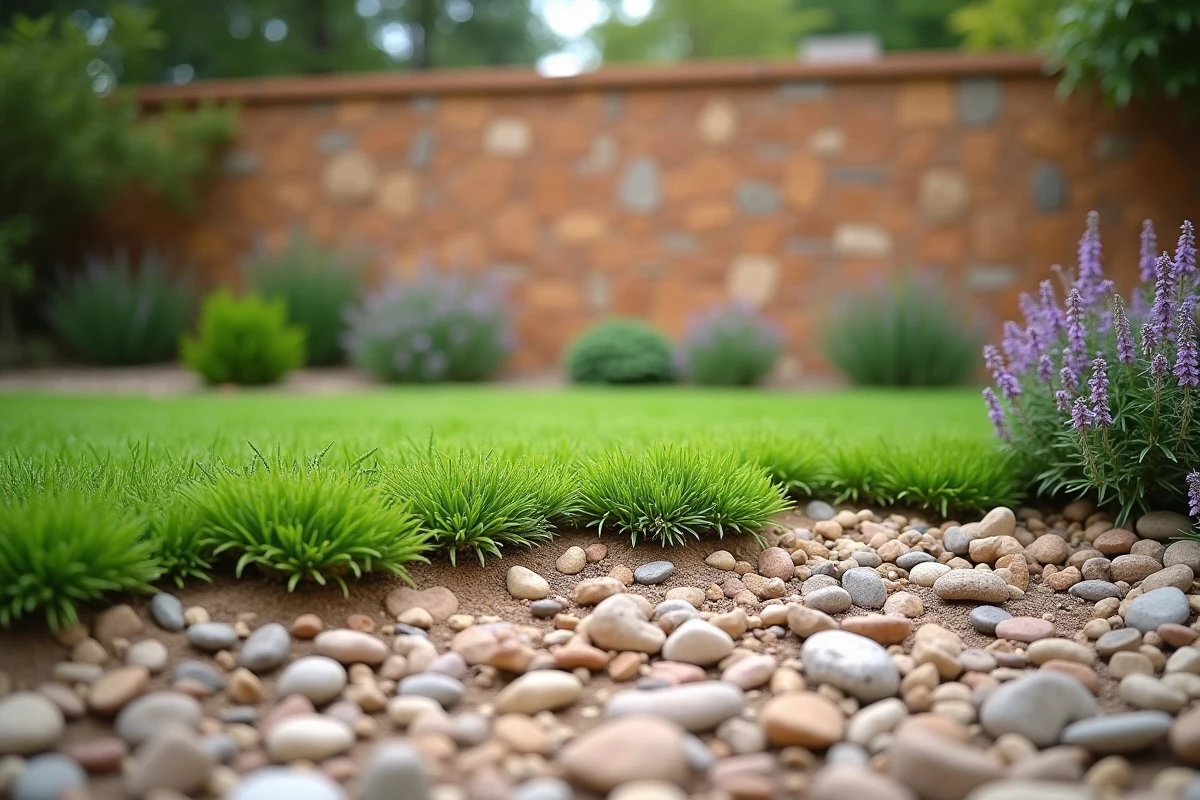
The watering restrictions imposed almost every summer in many French departments have made English grass difficult to maintain. We recommend switching to evergreen ground covers like creeping thyme, dichondra, or lippia. These plants do not exceed a few centimeters in height and can withstand prolonged dry periods.
To find more garden tips on Brico Déco Home, you can explore plant cover alternatives suitable for each region. Installation requires careful weeding of the existing soil, adding sand if the soil is clayey, followed by sowing or planting in pots spaced fifteen to twenty centimeters apart.
3. Mulch thickly all year round with season-appropriate mulch
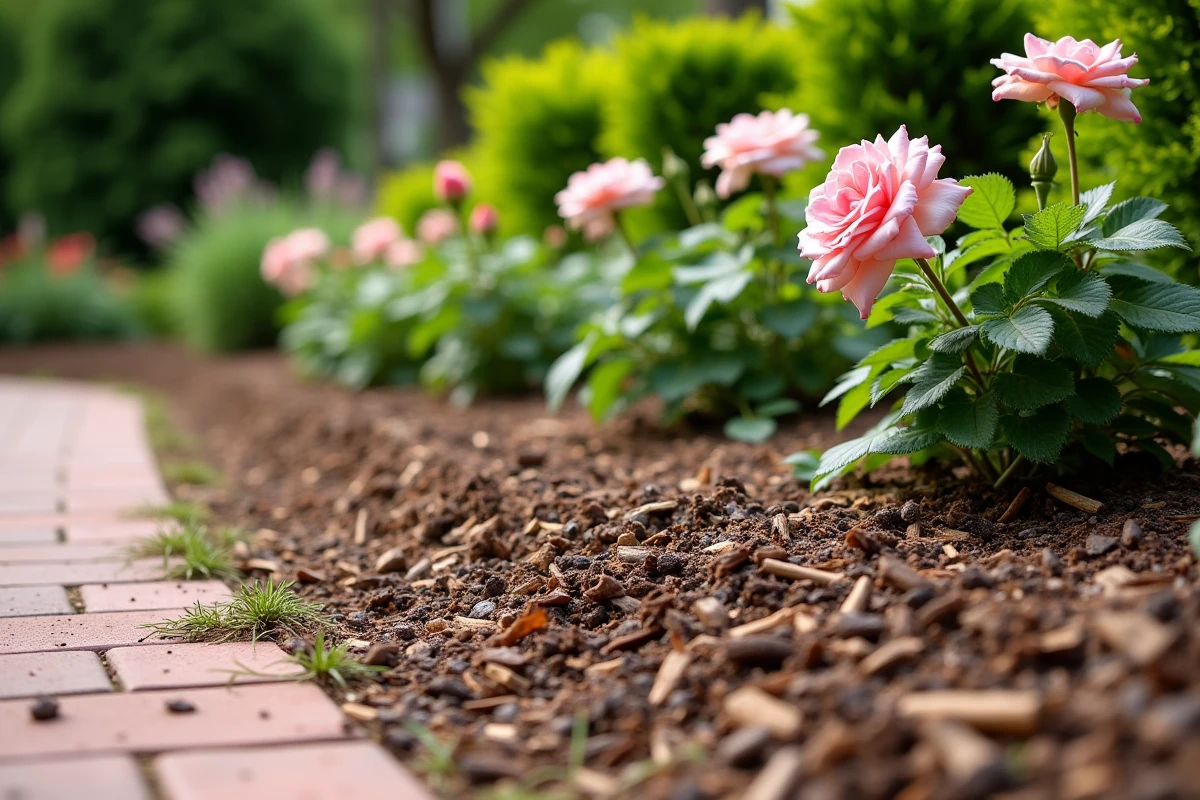
Mulching is not limited to a decorative layer. A sufficiently dense organic mulch limits evaporation, nourishes soil fauna, and slows the germination of weeds, directly addressing the ban on synthetic pesticides for individuals imposed by the Labbé law.
In winter, we prefer shredded leaves or BRF (fragmented branch wood), which decompose slowly. In spring and summer, dried grass clippings or hemp straw provide a lighter cover, ideal around vegetable plants.
4. Create raised bed gardens to extend the growing season
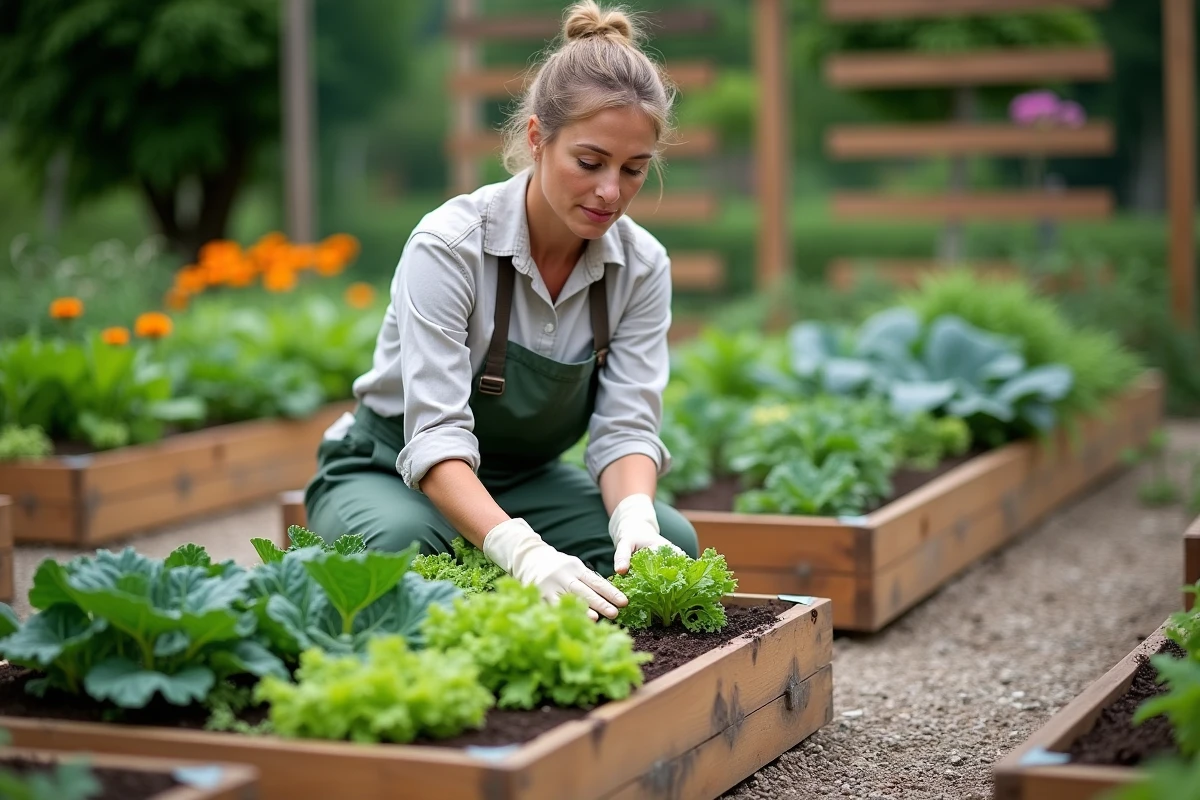
A raised bed warms up faster in spring and drains better in autumn. This thermal advantage allows for sowing two to three weeks earlier than in open ground and extending harvests until the first frosts under a forcing cover.
The choice of wood matters: untreated larch or Douglas fir resist moisture well without requiring chemical products. The ideal height is between thirty and fifty centimeters for a good compromise between substrate volume and working ergonomics.
5. Integrate a rainwater harvesting system with drip irrigation
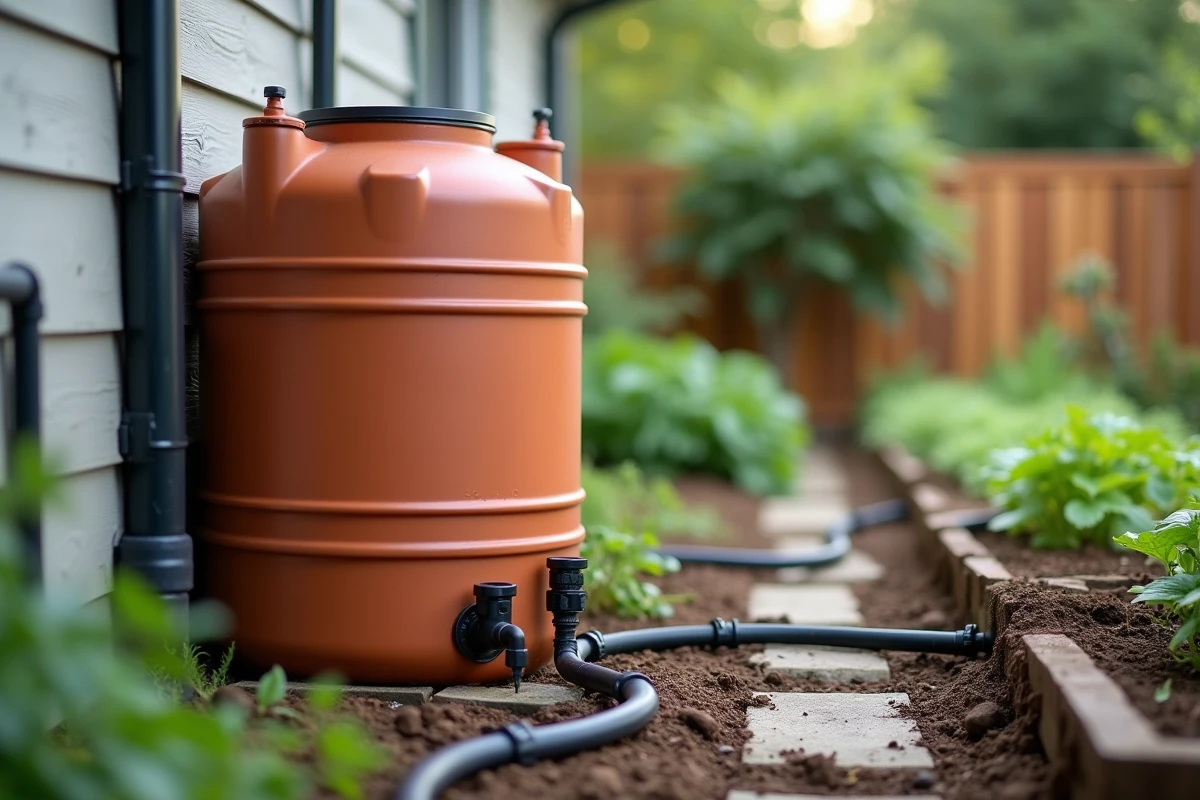
In the face of recurring water restrictions, coupling a rainwater tank with a drip irrigation system offers significant autonomy. The tank connects to a downspout via a filtering collector. A battery-powered timer, placed at the tank outlet, manages the opening of the solenoid valve early in the morning.
The drip system delivers water directly to the base of the plants, reducing waste through evaporation. This setup operates by gravity if the tank is elevated, avoiding the need to purchase a pump.
6. Adopt biocontrol against pests instead of chemical treatments
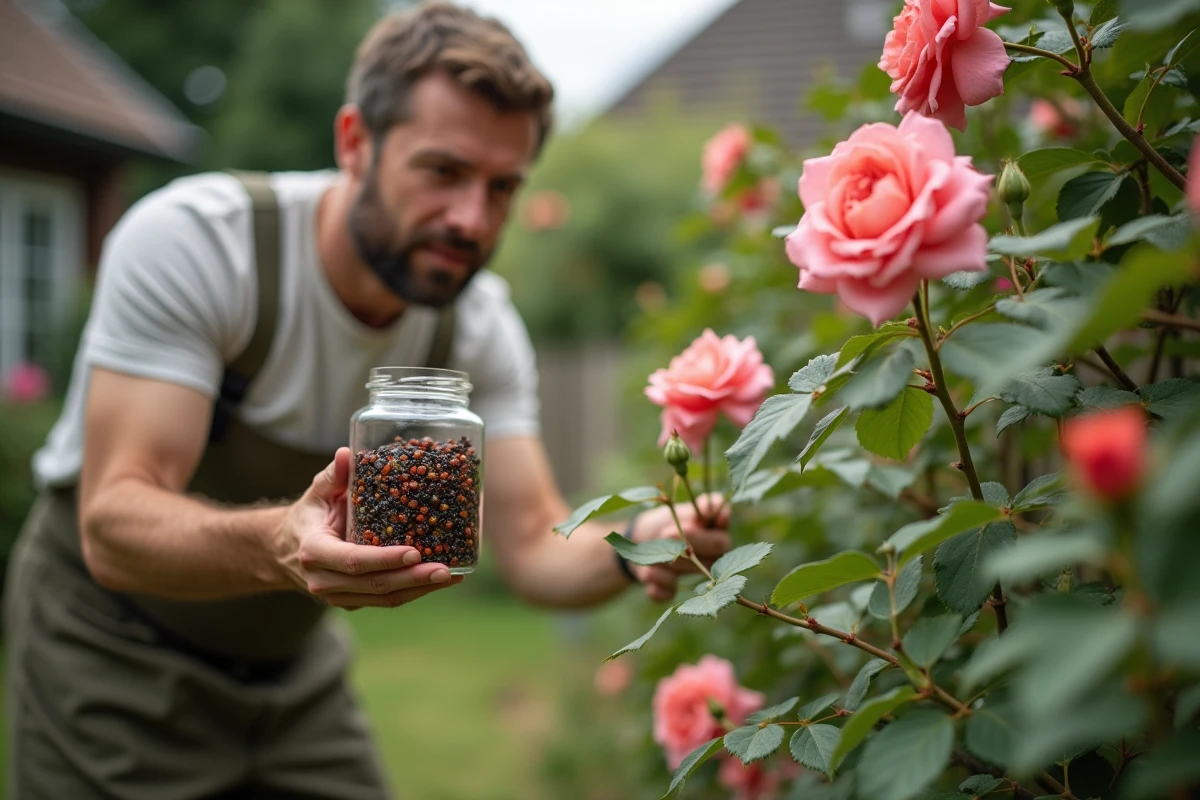
Since the gradual ban on synthetic pesticides for amateur gardeners, biocontrol methods have become the norm. This includes beneficial insects (ladybugs, lacewings), preparations based on Bacillus thuringiensis against caterpillars, and pheromone traps for codling moths.
Plant-based purées (nettle, horsetail, comfrey) complement the arsenal. They act both as plant stimulants and light repellents. The key remains prevention: crop rotation, plant associations, and regular observation.
7. Plant a mixed hedge to structure the space and nourish biodiversity
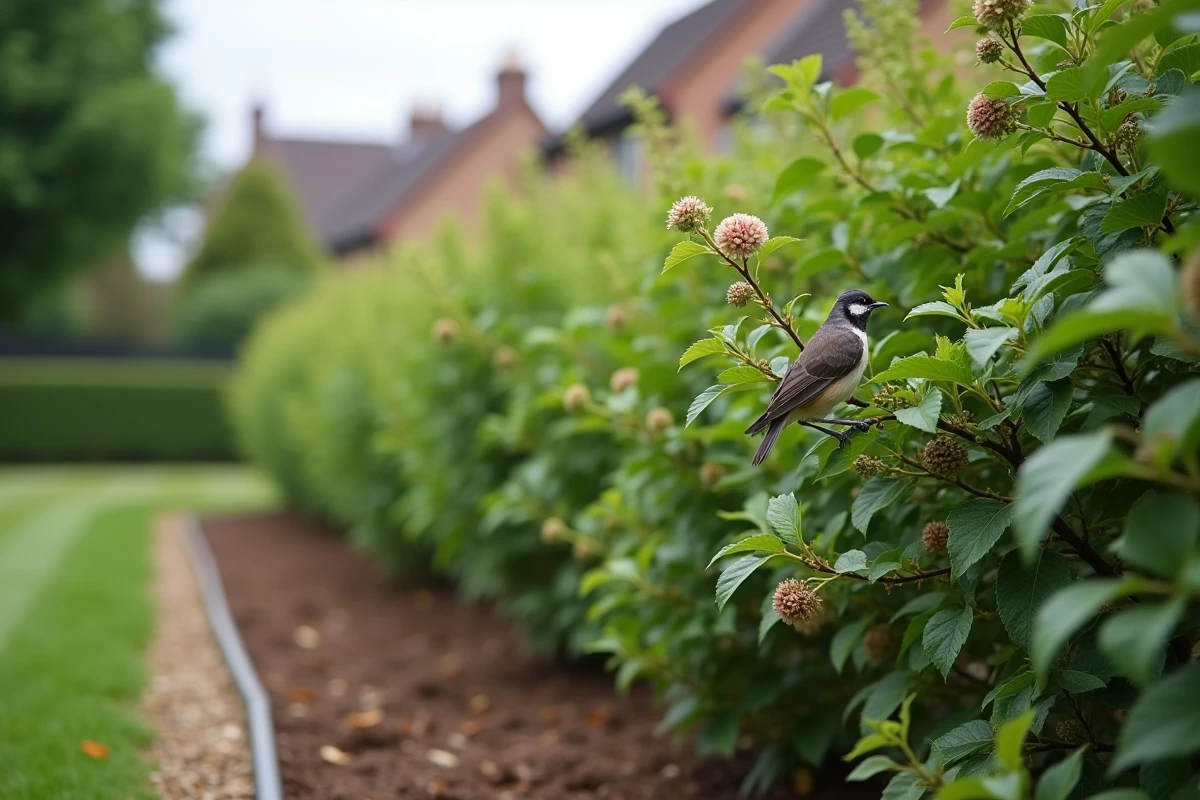
A hedge composed of a single species (thuja, laurel) offers a visual screen but remains ecologically poor. A mixed hedge combining evergreens (holly, eleagnus), deciduous trees (hazel, hornbeam), and berry shrubs (elderberry, dogwood) structures the garden while providing refuge and food for beneficial wildlife.
Planting ideally takes place in autumn, in a staggered pattern, with spacing adapted to the adult development of each species. A thick layer of mulch at the base limits competition from weeds for the first two years.
8. Create a reclaimed wood terrace to extend living space
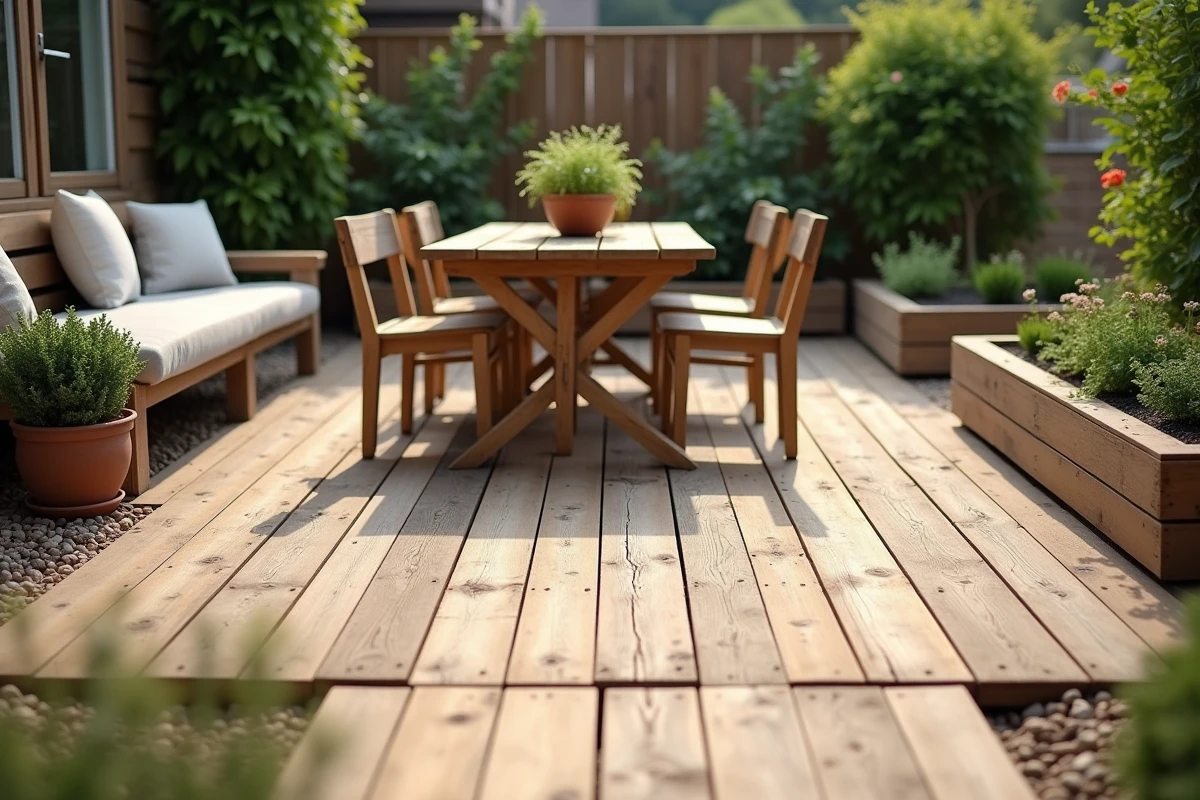
Reclaimed wood (pallets, construction boards) allows for creating a terrace at a lower cost. We recommend sanding and treating the boards with linseed oil for good longevity. The supporting structure, made of joists screwed onto concrete blocks, ensures ventilation under the decking, preventing rot.
The terrace creates a transition between indoors and the garden, usable even in wet weather. It accommodates a garden lounge, a barbecue, or a repotting area depending on the season.
9. Install low-voltage solar lighting to enjoy the garden in the evening

LED solar stakes require no wiring. Placed along a path, at the edge of a bed, or near a water feature, they mark the pathways and highlight the vegetation as soon as night falls.
The determining factor is the capacity of the built-in battery: recent models with lithium iron phosphate batteries maintain decent autonomy even in winter when sunlight decreases. Position the panel facing south and clean it once a season to maintain the charge.
10. Create a wildflower meadow in hard-to-maintain areas
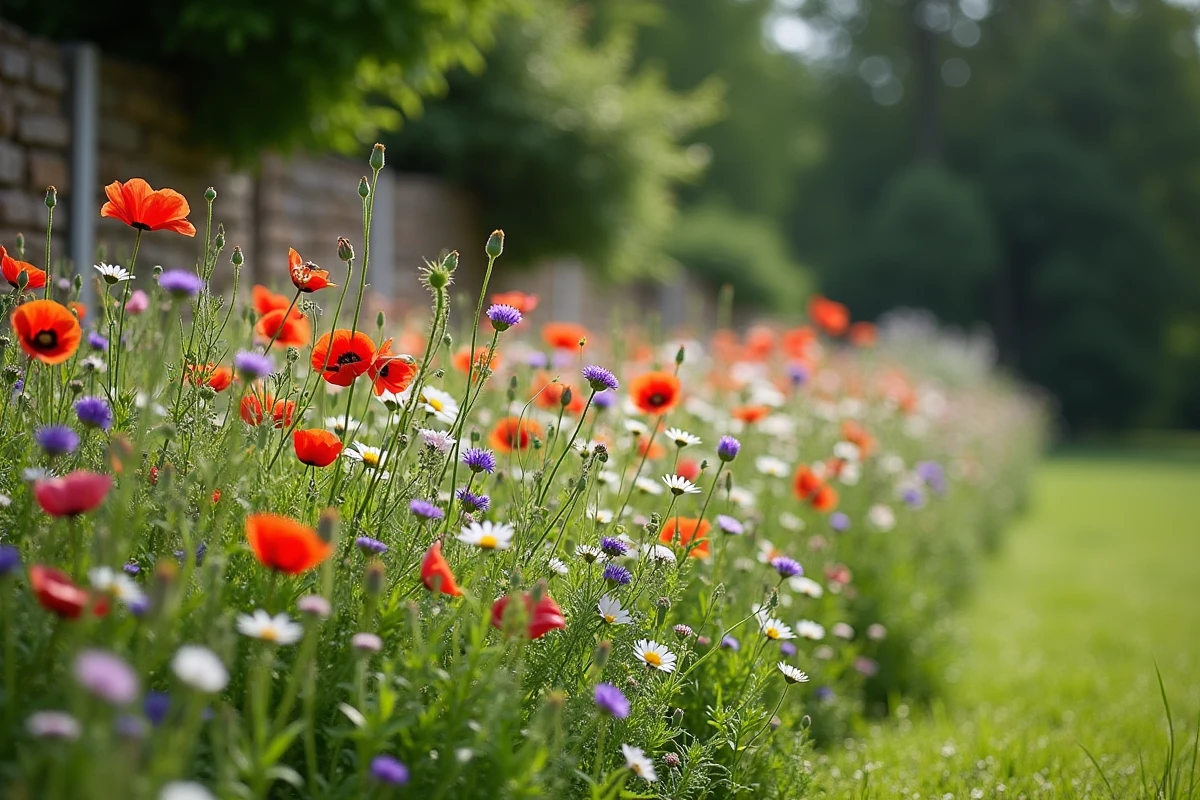
Slopes, back plot strips, or poor soils are not well-suited for regular mowing. Converting these areas into wildflower meadows reduces maintenance to one or two annual mowings (late June and late October) while providing a nectar resource for pollinators.
- Choose a mix of grasses and flowers suited to your soil (calcareous, acidic, clayey).
- Sow on a raked and rolled soil, ideally in September for germination before winter.
- Do not fertilize: the wildflower meadow thrives on poor soil; nitrogen richness favors grasses at the expense of flowers.
This last point summarizes the philosophy of a sustainable garden: work with existing conditions rather than against them. Poor soil, a drought episode, a difficult slope—each constraint becomes a design lever when adapting plants to the environment.