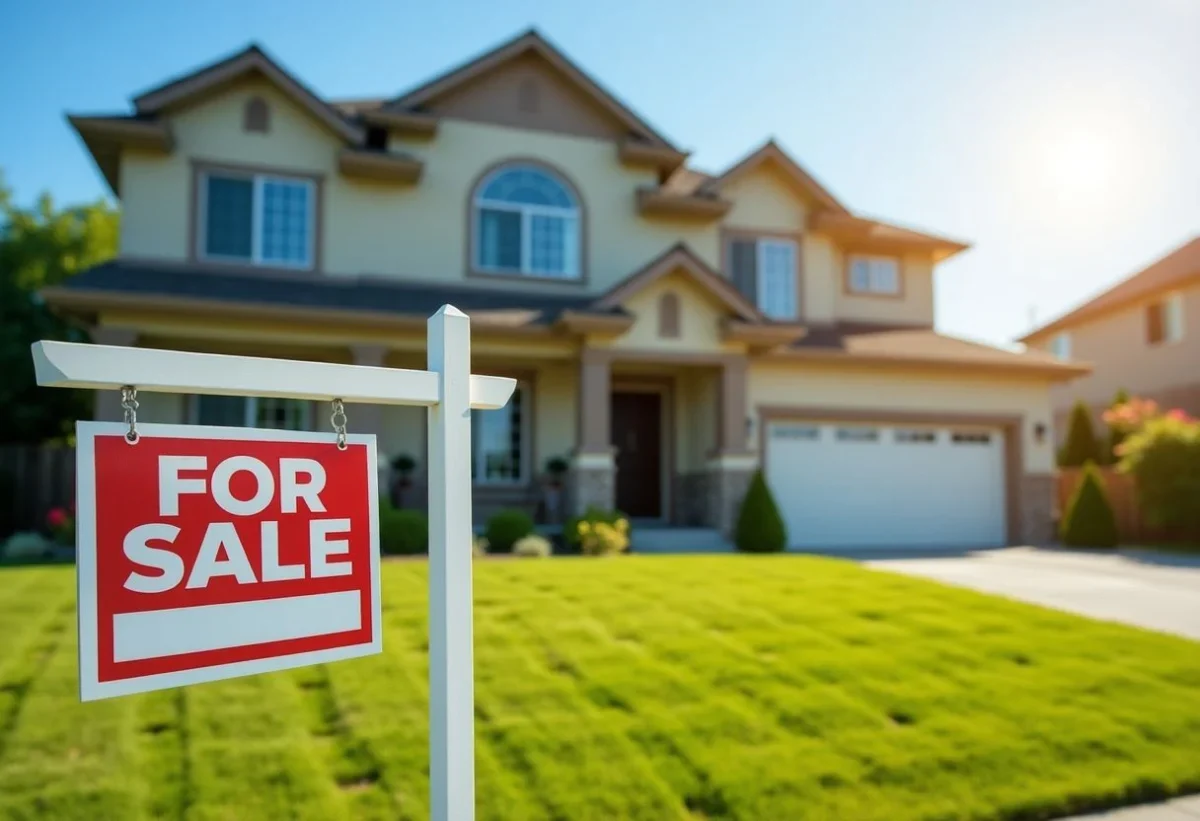
Successfully completing a real estate transaction is not simply about choosing a house or an apartment that one likes. The financial stakes are often considerable, and knowing the value of a property is fundamental for both the buyer and the seller. Real estate appraisals play a major role here, allowing for a fair price to be set and ensuring equitable transactions. However, this process can seem complex and technical, encompassing many factors that influence the final cost of the appraisal.
The different types of real estate appraisal
Real estate appraisal is not an exact science but relies on different methods that allow for the best approximation of a property’s value. Knowing these methods can help better understand the results obtained after an evaluation.
- Market comparison: This method relies on analyzing recent sales of similar properties in the same geographical area. It is a straightforward approach and often the most reliable for evaluating a residential property.
- Replacement cost: This calculates how much it would cost to rebuild the property from scratch, taking depreciation into account. It is a commonly used method for commercial buildings or unique constructions.
- Capitalized income: Particularly useful for rental properties, it estimates value based on expected future income, applying an appropriate capitalization rate.
Factors influencing the cost of an appraisal
Several parameters influence the cost of appraising a property. Understanding these factors can help better grasp the price variations between different appraisals.
The size and location of the property are often determining factors. An apartment in the heart of Paris will likely require a more in-depth evaluation than a house on the outskirts. The specific characteristics of the property such as construction quality, overall condition, and outdoor amenities come into play. The immediate environment, including available infrastructure like schools, public transport, and shops, is also important.
Hiring a real estate professional adds another level of cost. An expert’s fees can vary considerably based on their experience and reputation. The use of advanced technologies, such as 3D models or virtual tours, can also increase the overall cost of the appraisal.
The role of modern technologies
With the digital evolution, new technologies are transforming the landscape of real estate evaluations. They bring efficiency and precision, and inevitably influence the cost of real estate appraisal services.
The use of online tools allows for quick estimates based on sophisticated algorithms. These platforms instantly compare thousands of data points to provide a preliminary estimate. Augmented reality models and virtual tours facilitate the evaluation of properties remotely, thus reducing the need for costly physical inspections.
Although these technologies are promising, they do not completely replace human expertise. Subjective aspects like visual appeal and the charm of a neighborhood still need to be assessed by a professional.
How to choose the right expert for an appraisal
Faced with a multitude of options, choosing the right professional becomes essential to ensure an accurate and fair evaluation.
It is wise to examine the qualifications and experience of potential experts. Favoring those with a good reputation and in-depth knowledge of the local market can prove beneficial. Comparing the offers and methods used by different professionals helps understand what is included in the costs, thus ensuring an informed decision.
Feedback from other clients can also provide valuable insight into the reliability and seriousness of an expert. A balanced mix of modern technologies and human expertise remains the key to a successful appraisal.