The frustration of a screw spinning in place is universal. This small problem can turn a simple task into a real headache. Whether you are a seasoned DIYer or a novice, you have probably encountered this annoying phenomenon. Indeed, it is a situation where the screw fails to grip firmly to its base, making the assembly of materials difficult, if not impossible. Fortunately, solutions exist to remedy this daily hassle. Various clever methods can help you restore the grip that the screw needs. Thus, once these techniques are mastered, you will be able to resolve this difficulty with efficiency and confidence.
Understanding the Causes of the Problem
Before diving into the solution, it is imperative to understand why a screw spins in place. This fundamental understanding allows for better adaptation of the solution to apply.
- Material Wear: Over time, wood, plastic, or metal can wear down and no longer provide the necessary resistance to hold a screw.
- Incorrect Size: A screw that is improperly sized for the hole can also be the source of this problem.
- Incorrect Initial Installation: If the screw was not properly installed from the start, it may not have the necessary grip to stay in place.
Immediate Repair Techniques
When faced with a screw that spins in place, different techniques can be used to reinforce its grip. These solutions can be quickly implemented with tools and materials generally available at home.
Using Toothpicks or Matchsticks: Insert pieces of toothpicks or matchsticks into the hole, then re-screw. This creates a new gripping surface for the screw.
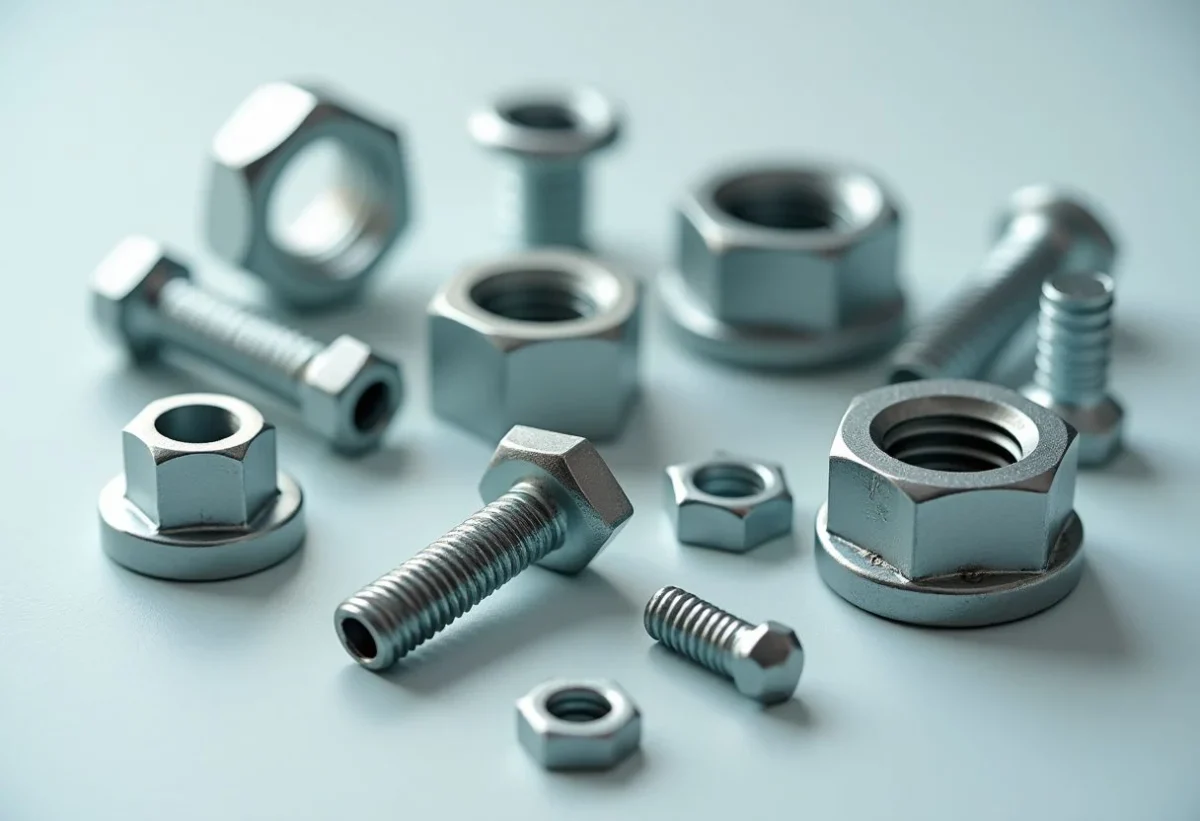
For metal materials, a lock nut can be an elegant solution. It is a component meticulously designed to add increased resistance to the assembly.
Finally, in more extreme cases, using a strong adhesive or wood filler can be considered to fill the void and restore strength to the support.
Preventive Solutions to Avoid the Problem
Taking preventive measures is often the best way to avoid problems with screws spinning in place. A preventive approach ensures the durability of assemblies and limits future repairs.
- Choosing Materials: Opt for high-quality materials suitable for the intended use. A material that is too soft or inappropriate can promote loosening of screws.
- Selecting the Right Screw: Ensure that the screw is the correct diameter and length for the material used.
- Preparing the Hole: Pre-drilling the hole can help avoid excessive stress on the material when installing the screw.
When to Replace the Screw or Material?
In certain situations, it may be preferable to directly replace the screw or even the original material. This approach may be necessary to ensure the stability and safety of the assembly.
Assessing Wear: If the material is too damaged, it is often wiser to replace it rather than trying to patch the holes with temporary means.
Similarly, a worn or rusted screw provides no guarantee of a solid hold. Its replacement is strongly advised, especially in applications requiring high resistance.
As a last resort, if repair techniques do not provide a satisfactory hold, a complete revision of the fastening system and replacement with new elements may offer the most reliable solution.
Stabilizing a screw that spins in place is not an insurmountable task. By combining a thorough understanding of the problem with practical and preventive solutions, it is possible to tackle this challenge effectively. These techniques ensure not only repair but also the durability of your projects, thus guaranteeing increased longevity and safety of assemblies in your DIY endeavors. The next time you face this problem, you will know exactly what steps to follow to successfully remedy it.