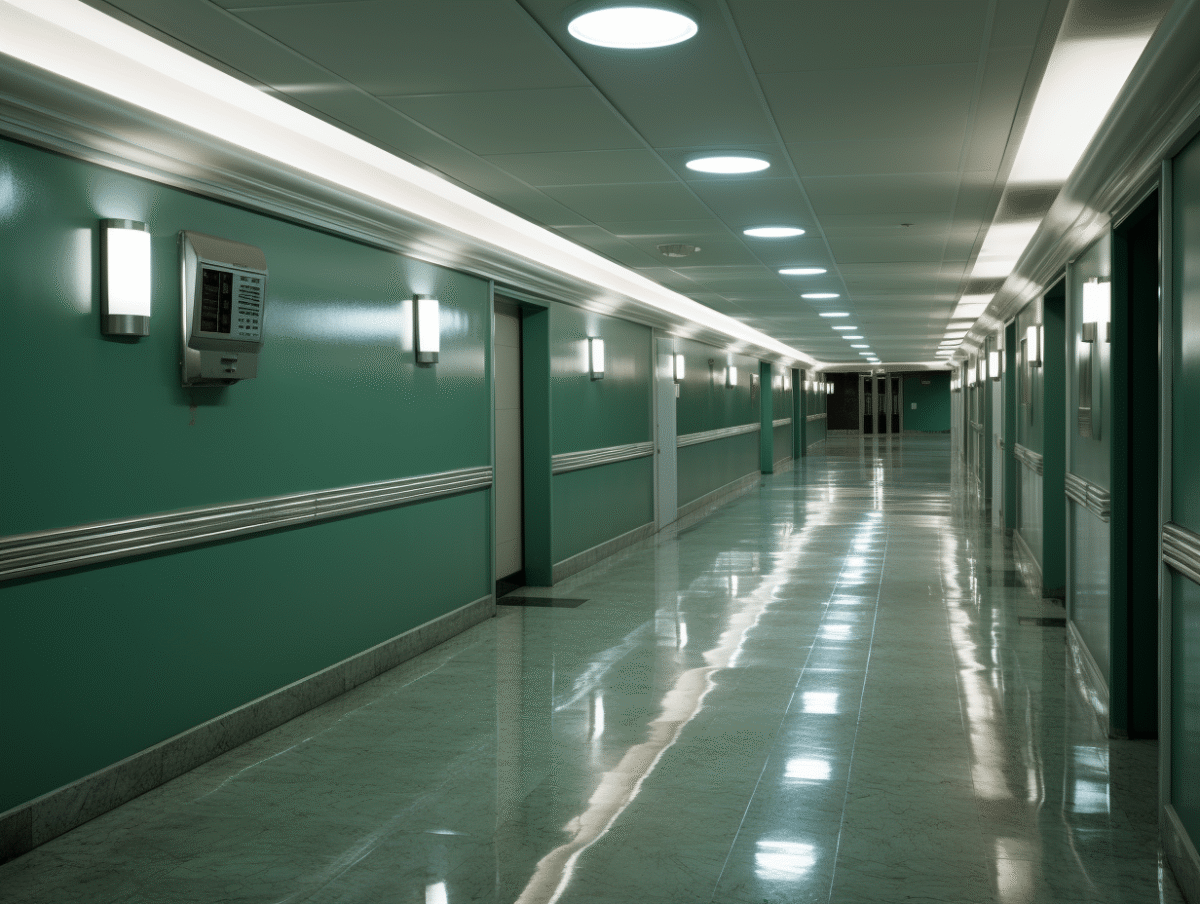
In the hospitality industry, the safety of occupants is a top priority. Fires pose a serious threat, which has led to the adoption of strict regulations regarding the installation of smoke detectors in accommodation establishments. These devices are essential for alerting residents and staff early in the event of a fire, allowing for timely evacuation and limiting damage. Laws vary by jurisdiction, but they generally impose high standards for the placement, number, and maintenance of smoke detectors to ensure maximum coverage and optimal functionality.
Current regulations for smoke detectors in hotels
In the hotel sector, fire safety and fire detection are governed by strict standards. At the heart of these requirements, smoke detectors are a crucial link. According to the construction and housing code, every hotel, as a public establishment (ERP), must be equipped with smoke detectors. This obligation is part of the fire safety measures for the establishment.
These detectors must meet specific detector standards to ensure their effectiveness. The installation of smoke detectors must be carried out according to a rigorous protocol that outlines their distribution and maintenance. Since March 8, 2015, every dwelling must be equipped with a self-contained smoke alarm (DAAF). This measure also includes hotel rooms, thereby enhancing the individual protection of each sleeping area.
Any deliberate act to disable a smoke detector in a hotel is strictly prohibited and can lead to severe penalties. The civil and criminal liability of hotel operators can be engaged in case of non-compliance with these rules. The obligation to maintain the integrity of fire detection systems is therefore absolute.
All these provisions contribute to the overall fire safety strategy of hotels. Each installed detector is an additional barrier against the risk of fire, a risk that should never be underestimated, especially because fires are more deadly at night. Take the necessary measures to ensure your establishment complies with current regulations and thus ensure the safety of your guests and staff.

The responsibilities of hotel operators regarding fire safety
Hotel operators, considered as Public Establishments (ERP), must ensure the safety of their clients and staff. This involves the installation of specific equipment and adherence to strict regulations. Hotels must be equipped with fire-resistant doors, emergency lighting, as well as a type 4 alarm for effective evacuation in case of emergency. Sleeping areas require enhanced fire safety lighting (BAES) to prevent risks, particularly because fires are more deadly during the night.
Staff training is another cornerstone of the prevention strategy. Employees must undergo fire safety training to be able to act quickly and effectively in the event of an incident. Providing clear and accessible safety instructions is also required. These measures are essential to minimize dangers and ensure adequate intervention.
Hotels, depending on their size and capacity, can be classified into different categories of ERP. A small hotel accommodating fewer than 100 people is classified as category 5 and must comply with the associated standards. All ERPs must conduct regular technical checks, at least every five years, to ensure the operational readiness of their security systems. These rigorous requirements reflect the commitment of hotel operators to the safety of all.