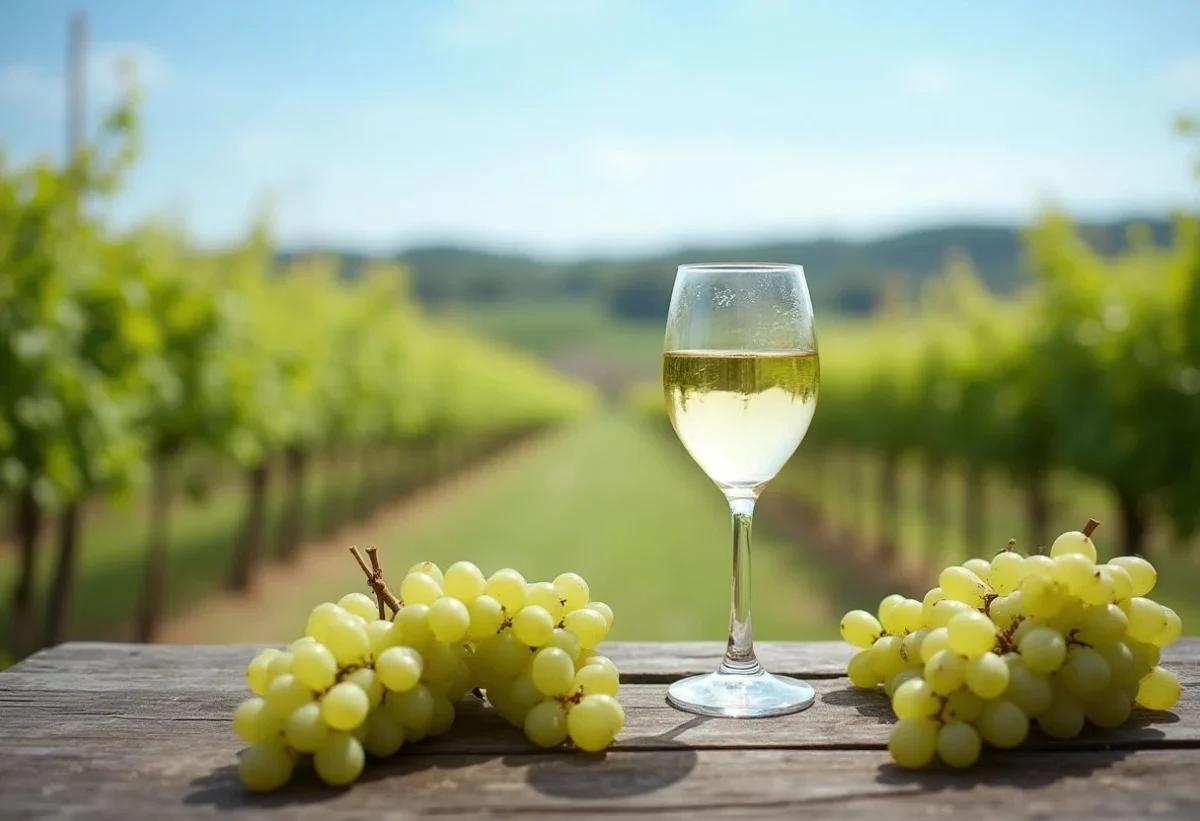
Chablis, this renowned dry white wine, exclusively made from the Chardonnay grape, is a true gem of the Burgundy region. Highly valued for its minerality and freshness, Chablis captivates wine lovers around the world. Understanding its price means embracing a complexity that goes far beyond the simple label. Geographic nuances, climatic conditions, the expertise of winemakers, and the specifics of the appellations are all factors that influence its market value.
The Geographic and Climatic Factors
The Chablis region, located in the north of Burgundy, boasts a unique terroir that directly influences the price of its wines. Climatic conditions and geography significantly contribute to the quality and rarity of this product.
One of the secrets of Chablis lies in its soils rich in limestone and clay, known as Kimmeridgian. This geological composition gives the wine its characteristic minerality that delights the palate. The Chablis vines benefit from a continental climate, with warm summers and harsh winters. These conditions allow for the production of grapes at optimal ripeness, essential for crafting an exceptional wine.
It is also important to consider the effect of climatic variations from one year to another. Spring frosts or hail episodes can affect yields, thus impacting the price of Chablis due to its fluctuating availability.
The Appellations: Classification and Influence on Price
The appellation system in Burgundy is rigorous and plays a determining role in setting Chablis prices. Each appellation represents a different level of quality and prestige, thus influencing the final cost.
- Petit Chablis: this appellation, generally located on the plateaus, produces fresh and light wines. The price is often more affordable, making it a perfect introduction to the world of Chablis.
- Chablis: representing the heart of the appellation, these wines offer increased minerality and greater aging potential. The cost of these bottles is generally higher than that of Petit Chablis.
- Chablis Premier Cru: these wines come from specific plots known for their superior quality. Prices increase accordingly, reflecting the complexity and aromatic richness of the wines.
- Chablis Grand Cru: at the top of the hierarchy, these wines come from seven distinct climates, each with its own character. They are rare and sought after, reaching high prices due to their prestige and exceptional aging potential.
Check out this article for more tips.
The Impact of Winemaker Expertise
Winemaking techniques vary from producer to producer. Some prefer a traditional approach while others opt for modern methods, thus influencing the wine’s taste profile. The use of oak barrels, for example, can add woody and vanilla notes that enrich the aromatic bouquet.
The reputation of winemakers and their dedication to producing high-quality wines often translates into a higher price, as wine enthusiasts are willing to pay for an unparalleled and authentic tasting experience.
The Influence of the Market and Trends
The wine market is dynamic, and current trends have a significant impact on the price of Chablis. Global demand for Chablis is constantly evolving. Emerging markets, particularly in Asia, have seen an increase in wine consumption, driving prices up due to heightened demand. Furthermore, the international reputation of Chablis continues to grow, reinforcing its position as a prestigious wine.
Reviews and awards also play a role in price setting. A Chablis praised by critics or awarded at international competitions can see its price rise rapidly, reflecting its status as an exceptional product.